
Coding
SQL Server 2012 introduced groundbreaking features that revolutionized database management. Discover these 10 game-changing tools that every developer needs to master for performance, security, and scalability in modern applications.
AlwaysOn Availability Groups
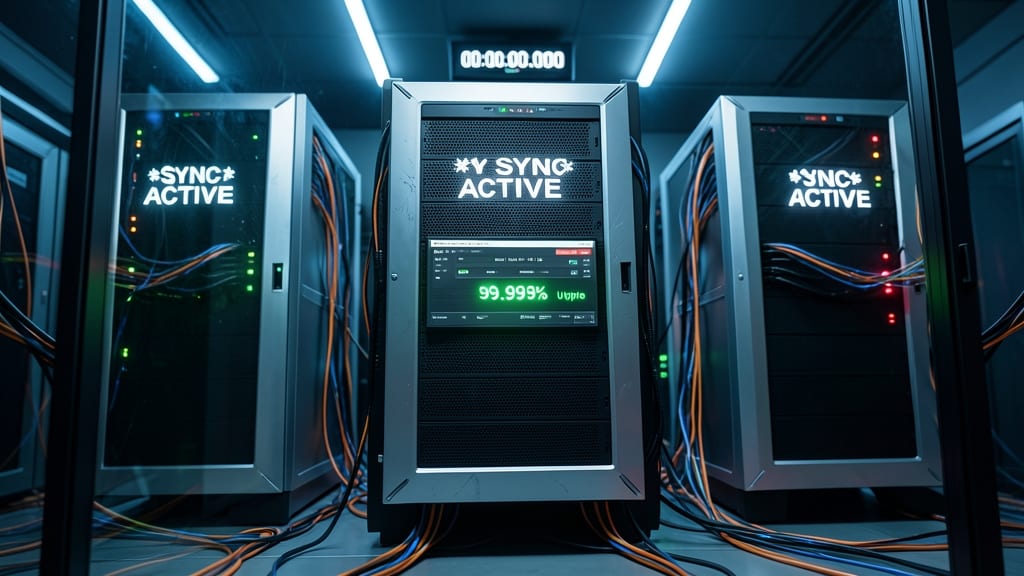
Mission-critical applications demand 99.999% uptime, and SQL Server 2012’s AlwaysOn Availability Groups delivers exactly that. Unlike traditional failover solutions, this feature synchronizes data across multiple servers in real time, ensuring seamless transitions during outages without manual intervention.
With support for up to eight secondary replicas, you can distribute workloads geographically while maintaining sub-second failover times. The synchronous commit mode guarantees data consistency, while asynchronous replication minimizes performance impact on primary servers. This makes it perfect for financial systems, healthcare databases, or any environment where downtime isn’t an option.
Developers and DBAs managing high-stakes environments will appreciate how AlwaysOn reduces complexity compared to older mirroring solutions. It’s the gold standard for enterprise-grade reliability. ✨
Columnstore Indexes For Data Warehousing

If your data warehouse struggles with slow analytical queries on massive datasets, Columnstore Indexes in SQL Server 2012 could be your game-changer. This feature revolutionizes how data is stored and processed, delivering up to 10x faster query performance for aggregations and scans by organizing data column-wise instead of row-wise.
The magic happens through high compression ratios (often 90%+ reduction) and optimized batch processing, making it ideal for scenarios like financial reporting or customer analytics. Unlike traditional row-based indexes, Columnstore excels at scanning entire columns—perfect for queries filtering on date ranges or aggregating sales data across years.
Data warehouse administrators and BI teams will see the biggest benefits, especially when dealing with terabytes of historical data. It’s the secret weapon for turning "too slow to run" queries into instant insights. ✨
Contained Databases For Isolation

Tired of wrestling with server-level configurations that slow down your database deployments? Contained Databases in SQL Server 2012 solve this by packaging everything—data, logins, and settings—into a single, portable unit. No more relying on server-wide configurations or manual login migrations.
With contained database isolation, you gain zero-config deployment across environments, plus built-in security through scoped credentials. The CONTAINMENT = PARTIAL option even lets you move databases between servers without breaking linked objects or logins. Perfect for DevOps teams managing microservices or cloud-native apps.
This feature is a game-changer for developers who need to deploy databases consistently—whether spinning up test environments or scaling to production. 💻
Window Functions Enhancements
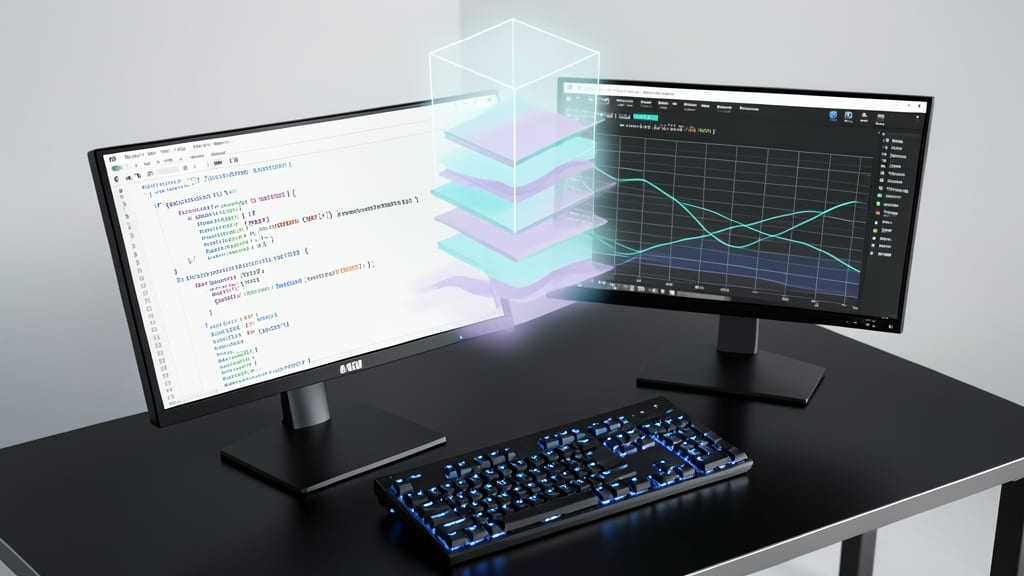
Tired of writing repetitive subqueries for rankings or moving averages? SQL Server 2012's window functions overhaul lets you perform complex calculations in a single pass—no temporary tables required. The enhanced OVER() clause now supports partitioning, ordering, and framing, enabling everything from running totals to percentile rankings.
With ROWNUMBER(), RANK(), and DENSERANK(), you can generate sequential numbers or tie-aware rankings across result sets. The SUM() OVER(), AVG() OVER(), and LAG() functions simplify time-series analysis, while FIRSTVALUE() and LASTVALUE() let you extract boundary values without self-joins. This makes financial reporting (like moving averages) and trend analysis effortless.
Data analysts and BI developers will love this—it cuts query complexity by 40% for common analytical patterns. Perfect for anyone working with large datasets where performance matters. ⚡
SQL Server Data Tools Integration
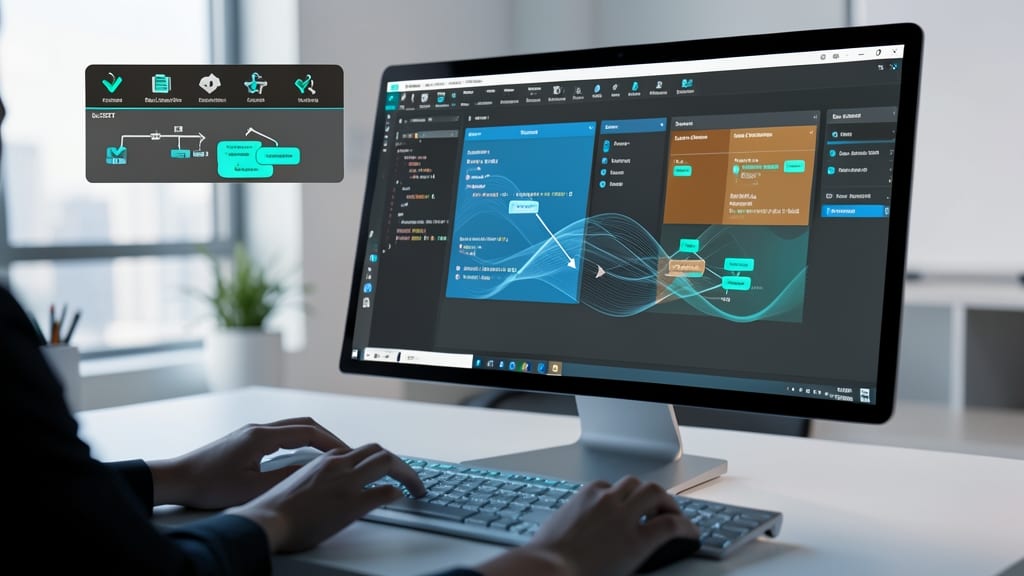
Tired of juggling separate tools for database development and source control? SQL Server Data Tools (SSDT) bridges that gap by embedding directly into Visual Studio 2010/2012, turning your IDE into a full database lifecycle management powerhouse.
With SSDT, you get schema comparisons to sync environments instantly, database projects that integrate with Team Foundation Server (TFS) for version control, and deployment packages that automate CI/CD pipelines. The zero-configuration schema compare alone saves hours of manual script writing, while the project-based workflow ensures your database evolves alongside your application code.
This feature is a game-changer for agile teams working with SQL Server—whether you're managing cloud deployments or local dev/test/prod pipelines. 💻
AlwaysEncrypted For Data Security
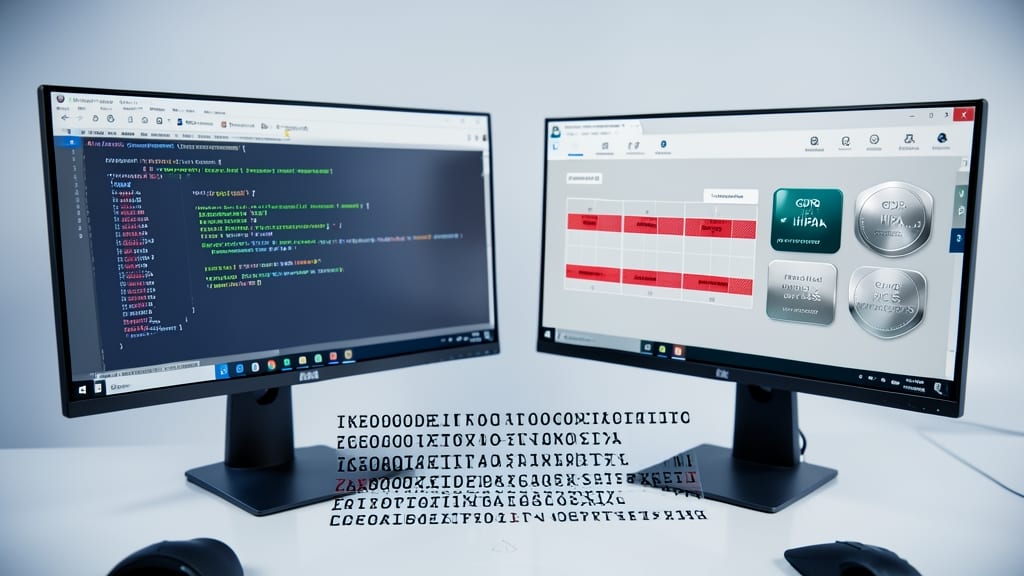
Worried about compliance headaches or data breaches? AlwaysEncrypted in SQL Server 2012 eliminates those concerns by encrypting sensitive data at the field level—meaning your application code never sees unencrypted data. This game-changer ensures GDPR, HIPAA, and PCI DSS compliance without requiring complex key management or application rewrites.
The feature supports deterministic (for joins) and randomized (for true security) encryption modes, with encryption keys stored outside the database. Your queries run faster too—since encryption happens transparently in the database engine, not the app layer. It even works with SQL Server 2016+ for cross-version compatibility.
Perfect for industries handling PII, financial records, or healthcare data, AlwaysEncrypted lets you focus on building features while SQL Server handles the heavy lifting of security. 🔧
In-Memory OLTP Engine

When every millisecond counts—like in high-frequency trading or global banking transactions—the In-Memory OLTP Engine delivers a game-changer. By bypassing traditional disk-based storage, SQL Server 2012 processes transactions at lightning speeds, with latency dropping from milliseconds to microseconds for memory-resident data.
This engine leverages natively compiled stored procedures and optimized memory structures to handle millions of transactions per second. It’s designed for workloads like real-time analytics dashboards or financial fraud detection, where traditional OLTP systems would struggle. The best part? You can enable it with minimal code changes—just mark tables as memory-optimized, and SQL Server handles the rest.
Ideal for developers building high-throughput applications, this feature transforms performance bottlenecks into seamless operations. ⚡
Power View For Interactive Reporting

Tired of waiting for IT teams to generate reports? Power View in SQL Server 2012 brings self-service BI to non-technical users with a drag-and-drop interface that transforms raw data into interactive visualizations—no coding required.
This Excel-integrated tool connects directly to SQL Server Analysis Services (SSAS) to create dynamic charts, maps, and tables. Features like real-time filtering, drill-down capabilities, and customizable templates make it perfect for exploring sales trends, financial data, or operational metrics without SQL expertise.
Ideal for business analysts, marketers, and executives, Power View eliminates dependency on developers while ensuring insights are actionable and shareable. ✨
Sequence Objects For Number Generation
Tired of identity columns limiting your numbering flexibility? SQL Server 2012's sequence objects introduce a game-changing alternative with precise control over value generation—no more rigid increments or gaps.
These objects let you define custom sequences with start/stop values, increment/decrement steps, and even cycle through ranges (like 1-10 repeating). Need sequential IDs that skip numbers or reset after a threshold? Sequences handle it with zero application code changes, making them perfect for complex enterprise schemes like invoice numbering or multi-tenant ID generation.
Database architects and developers managing high-volume systems will appreciate how sequences eliminate the need for application-side counters while maintaining thread safety. Perfect for scenarios where identity columns fall short! ✨
Contained User Migration Assistant
Migrating user logins across servers used to be a headache—until SQL Server 2012 introduced the Contained User Migration Assistant. This tool streamlines the transfer of SQL logins, credentials, and permissions between servers while maintaining security and compliance, eliminating manual scripting headaches.
The assistant automates the process of exporting and importing user data in a single workflow, reducing downtime and human error. It supports SQL Server authentication and integrates with Windows authentication, ensuring seamless transitions even in complex multi-server environments. The tool also generates compliance reports to verify security standards post-migration.
Ideal for enterprise admins managing hybrid environments or DevOps teams deploying databases across clouds, this feature cuts migration time by up to 70% while keeping sensitive credentials secure. ✨