
Operating System
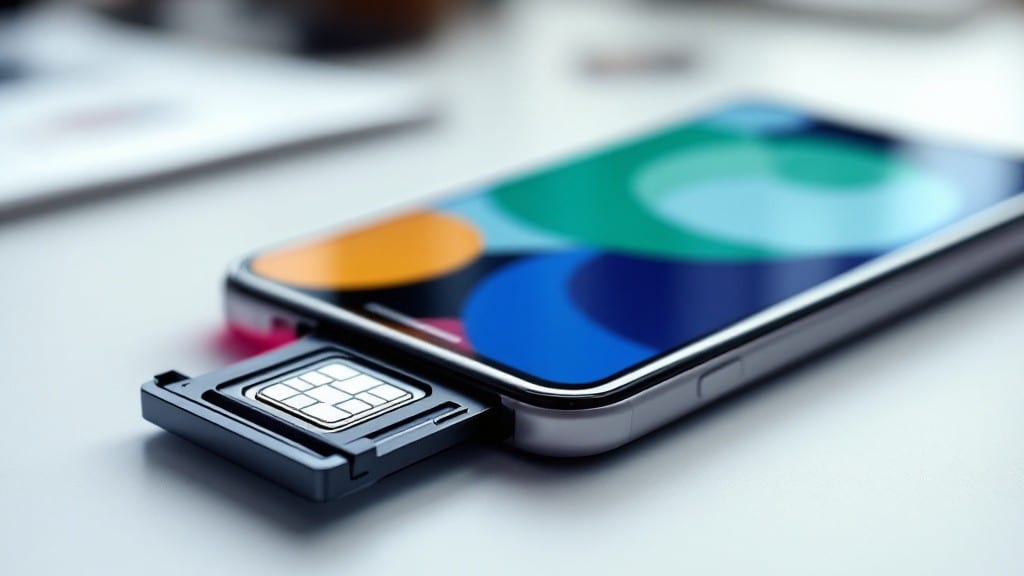
To find your carrier QR code, look inside your phone’s SIM card tray, check carrier app settings, or scan the QR code from your mobile provider’s website or customer support portal. Some devices even store it in the SIM packaging or under device settings.
These QR codes serve as digital authentication keys for your SIM card or eSIM profile, ensuring your device connects securely to your carrier’s network. 🔍 Many users don’t realize they’re tucked away in unexpected places—like the back of your SIM card packaging or buried in carrier-specific apps.
If you can’t find it, your carrier’s website or customer service can usually send you a replacement code instantly.
For iOS users, the QR code often appears in the SIM settings under "Add Cellular Plan," while Android devices may require digging into "Network & Internet" settings. Some newer phones even embed the code in the eSIM activation process, so checking your carrier’s app first is always a good idea.
💡 In This Article
- How Carrier QR Codes Work in Device Authentication
- Step-by-Step Guide to Locate Carrier QR Codes on iOS and Android
How carrier QR codes work in device authentication
Carrier QR codes function as encrypted digital handshakes between your device and your mobile network provider. When you activate a new SIM or eSIM, the code contains a unique International Mobile Subscriber Identity (IMSI) and authentication vectors—essentially a password protected by advanced cryptography.
This prevents unauthorized devices from hijacking your number or accessing your carrier's network. The encryption uses GSM 3GPP standards, similar to how bank cards use chip authentication.
The code's structure follows a standardized format called GSMA eUICC (Embedded Universal Integrated Circuit Card) specification, which includes your ICCID (Integrated Circuit Card Identifier) and a 128-bit AES encryption key. When scanned, your phone's baseband processor verifies this with your carrier's authentication center (AuC) in real-time.
This is why some carriers require you to scan the QR within 24 hours—it creates a time-limited security window to prevent replay attacks.
For advanced services like 5G networks or international roaming, these QR codes include additional security profiles that enable features like network slicing or temporary roaming permissions.
For example, when traveling to Europe, your carrier's QR code might include a PLMN (Public Land Mobile Network) selector that automatically connects you to partner networks without manual configuration. This is why some business phones require QR codes during corporate deployments—they enforce specific network policies.
Here's what happens when you scan one: your device's modem chipset (like Qualcomm's Snapdragon X series or Apple's A-series) receives the encrypted data and performs a mutual authentication with your carrier.
This two-way verification ensures both parties are legitimate—your carrier confirms your device is authorized, and your device confirms the carrier's network is genuine. This prevents SIM swapping attacks, where fraudsters trick carriers into transferring your number to their SIM.
The physical placement of these codes—whether on SIM packaging or carrier apps—reflects their security purpose. Physical SIM cards often print the QR on the packaging to prevent tampering during shipping, while digital versions in apps use TLS 1.3 encryption during transmission.
Some carriers even require biometric verification (like fingerprint scan) before displaying the QR code in their apps, adding another security layer.
What most people don't realize is that these QR codes contain expiration timestamps. For prepaid SIMs, the code might only work for 30 days unless reactivated through your carrier's portal. This forces users to periodically re-authenticate their connection, maintaining network security.
The same principle applies to eSIM profiles—each profile has its own QR code with a unique profile ID that your device's eUICC manager tracks separately.